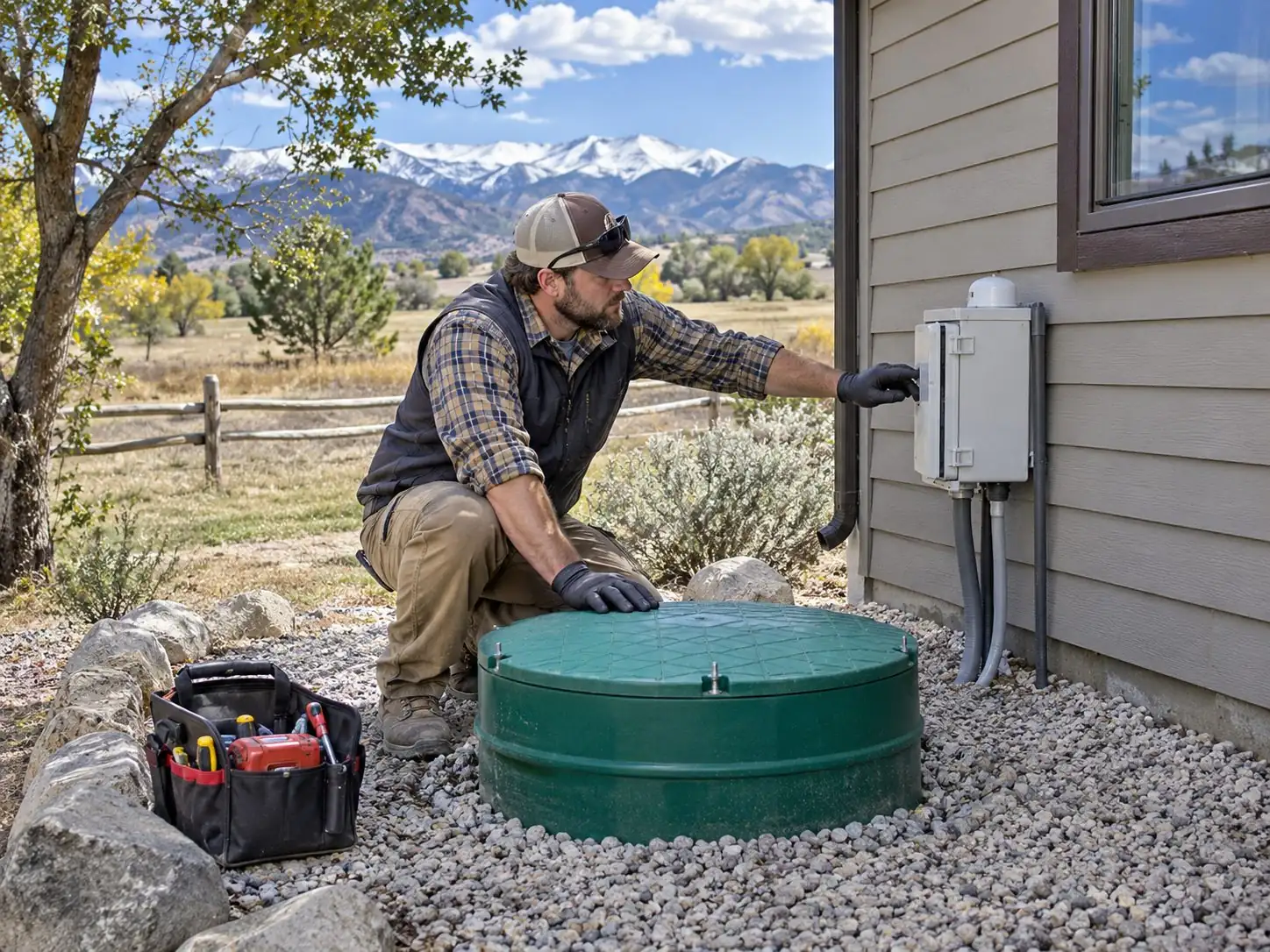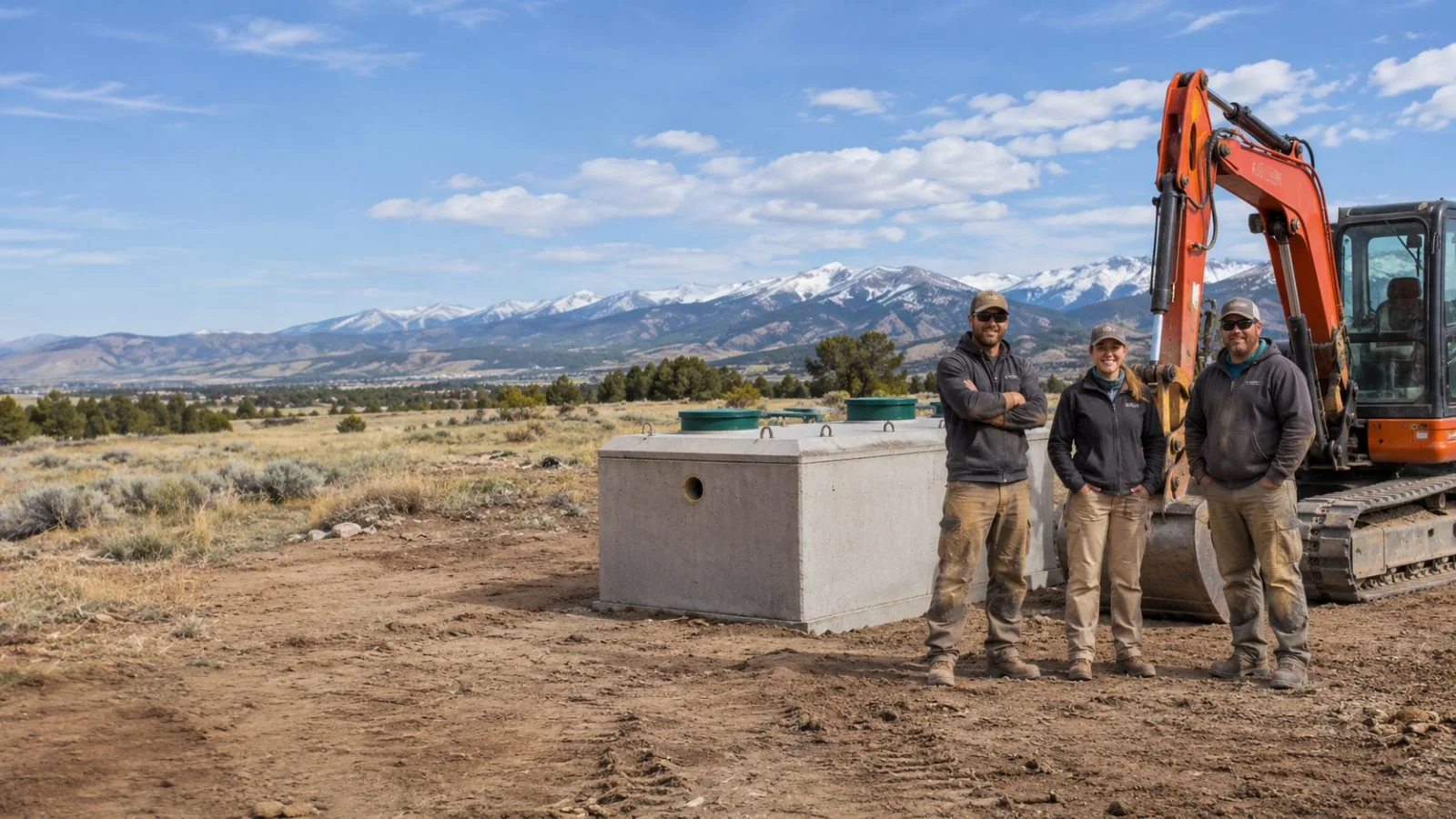
Replacing Older Septic Systems
Septic System Replacement in Salida, CO
Concerned about an aging or failing septic system? Get a Free Estimate
Replacing Older Septic Systems
Concerned about an aging or failing septic system? Get a Free Estimate
See the Chaffee County onsite wastewater permit application for site plan, installer and inspection requirements.
Septic systems do not last forever. Tanks can deteriorate, piping can fail, and soil treatment areas can lose their ability to accept wastewater. When problems become frequent or severe, replacing some or all of the system may be necessary.
At Salida Septic Installation, we focus on helping Chaffee County property owners understand the difference between a repairable problem and a system that needs a more substantial replacement. The existing system, property conditions, and applicable requirements all influence the next step.
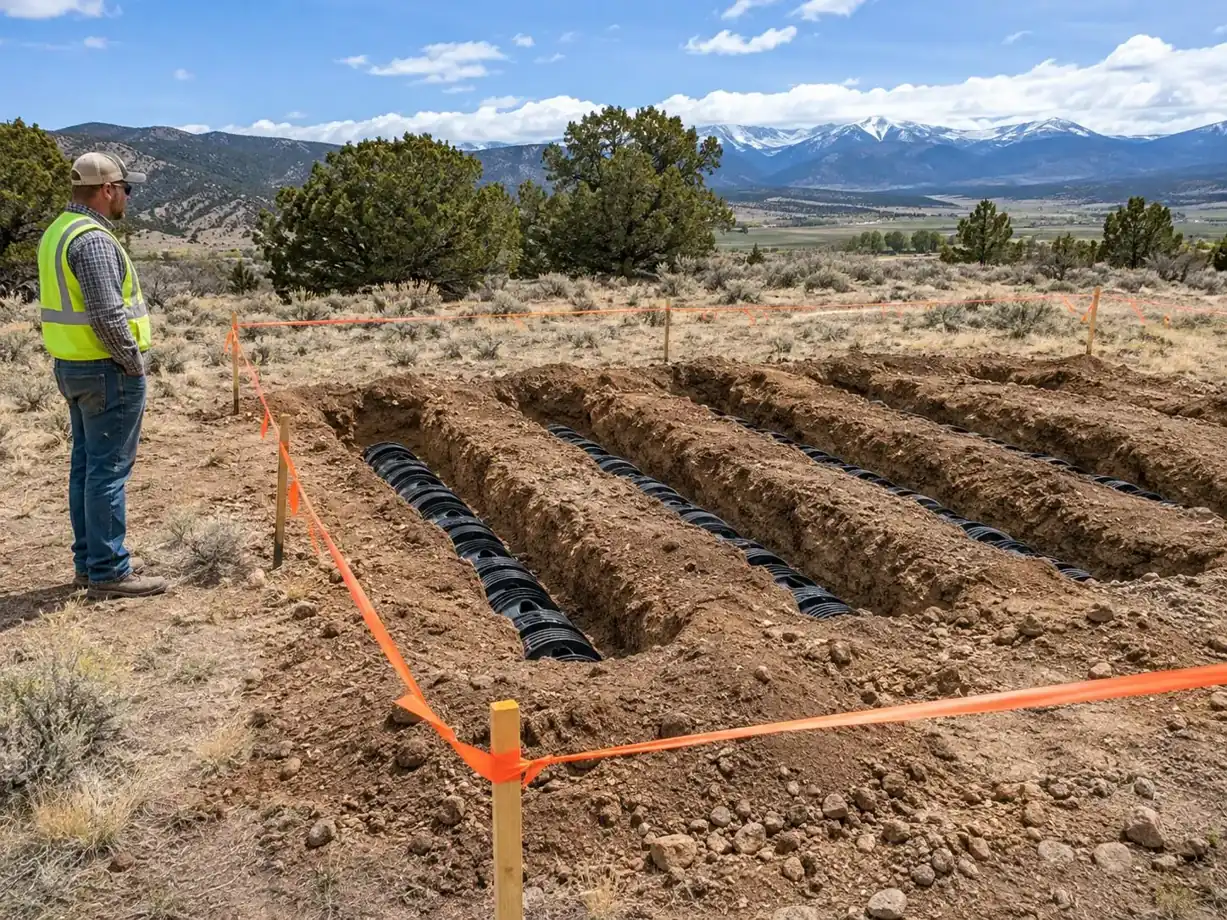
Replacing a septic system is not always as simple as excavating the old equipment and installing new components in the same locations. Today's requirements, site conditions, and the property's current wastewater needs have to be considered. ## Signs That Replacement May Be Necessary A replacement evaluation is worth considering when sewage repeatedly backs up, wastewater surfaces near the treatment area, or the system continues to have problems after appropriate maintenance and repairs. A damaged tank or an overloaded soil treatment area may also lead to replacement discussions. These symptoms do not identify the exact cause by themselves. A blocked pipe, damaged component, or maintenance issue can sometimes produce similar signs. The first priority is understanding what has failed. If untreated wastewater is surfacing or backing up into living areas, reduce water use, keep people and pets away from the affected area, and arrange professional assistance. Do not enter a septic tank or attempt unsafe excavation.
A tank may need replacement when structural damage, leakage, or deterioration makes continued use unsuitable. Tank condition should be evaluated along with its connections and the rest of the wastewater system. A new tank must be compatible with the approved system design and current requirements. Future pumping access and safe placement are also important. Replacing the tank alone may not solve problems caused by a failing soil treatment area.
Some existing systems were installed under older standards or before the property's current use was established. Their configuration, location, or capacity may no longer be appropriate for the intended wastewater flow. A replacement project provides an opportunity to review the entire system and the available land. Current regulations, soil evaluation findings, and any required design work determine which replacement options can be considered.
A proposed addition, bedroom increase, or change in property use may raise questions about the existing septic system's permitted capacity. The impact depends on the approved design, expected wastewater flow, and current local requirements. It is sensible to review septic capacity early in a renovation project. The property owner may need a design review or updated approval before relying on the existing system for a different level of use.
An existing septic layout may occupy the most convenient part of the yard. A replacement system may need a different location because of soil conditions, separation requirements, structures, or changes to the property. Available space should be evaluated carefully before promising a particular design. In some situations, a previously reserved replacement area may be useful, while other properties require additional investigation or a different approved system configuration.
The existing wastewater system must be addressed safely as part of a replacement project. Applicable rules and the approved plan determine how unused tanks, piping, and treatment components are to be handled. Property owners should understand which areas will be disturbed, what protection is needed around active utilities, and how the work may affect normal household wastewater use. Safe treatment of abandoned components is an important part of the overall project.
A replacement decision should begin with understanding which parts of the existing system are failing.
The proposed replacement must reflect the building's wastewater requirements and the site's available treatment area.
We focus on discussing setbacks, soil findings, access, and approvals before a replacement plan moves forward.
Replacement planning should preserve practical access and help protect the new system from avoidable damage.
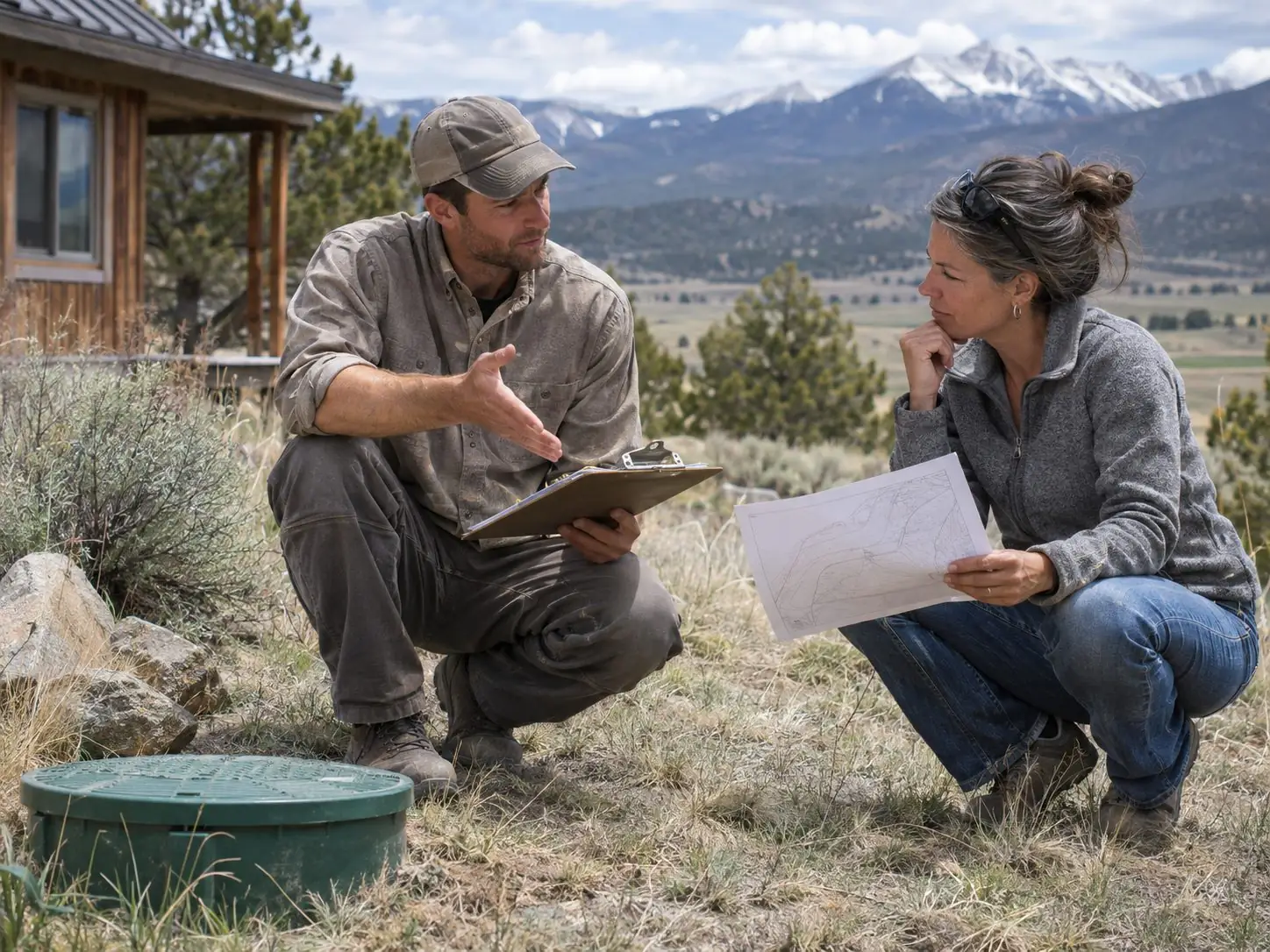
If your septic system is showing signs of failure, describe what is happening and where the property is located.
Free — no obligations
Document backups, drainage symptoms, past repairs, system records, and known component locations.
Determine what additional inspection, soil investigation, or design information is needed.
Use the evaluation results and applicable requirements to establish the permitted replacement design.
Plan access, excavation, component placement, and safe handling of the existing system.
Complete required inspections and address unused components according to applicable requirements.