Mountain and Rural Septic Solutions
Septic System Installation in Nathrop, CO
Planning a septic project near Chalk Creek or Mount Princeton? Get a Free Estimate
Mountain and Rural Septic Solutions
Planning a septic project near Chalk Creek or Mount Princeton? Get a Free Estimate
Search the county permit records using the property address to help locate an existing system permit. Local utility or permit information.
See the Chaffee County onsite wastewater permit application for site plan, installer and inspection requirements.
Nathrop is known for its rural setting between Salida and Buena Vista, with Mount Princeton rising to the west and Chalk Creek running down from the mountains toward the Arkansas River. Homes and building sites in this area can have very different conditions even when they are only a short distance apart.
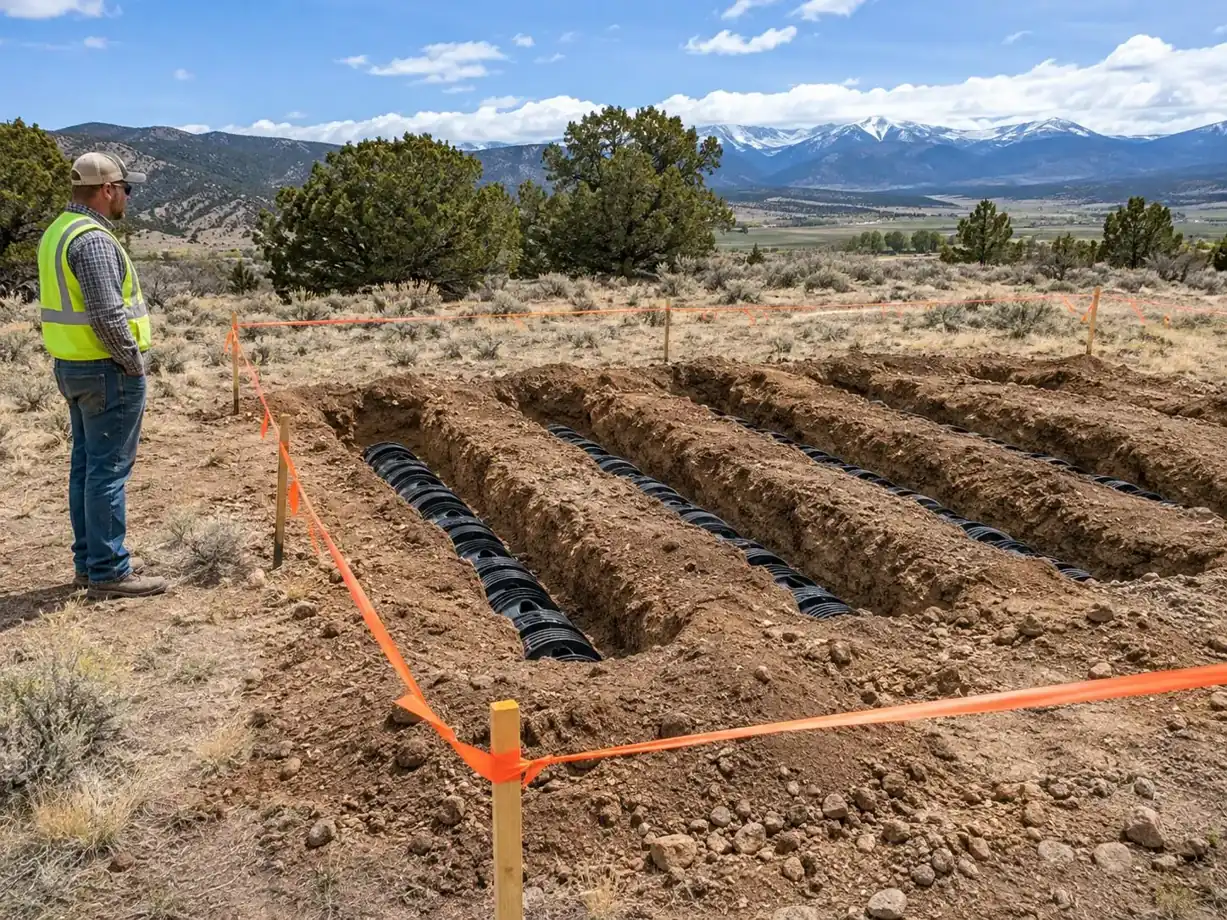
For septic installation near Nathrop, the first priority is understanding the ground. Slopes, soil layers, rock, groundwater, seasonal drainage, and access for excavation equipment can all affect the system that is appropriate for a property. Salida Septic Installation approaches these questions one parcel at a time.
County Road 162 follows Chalk Creek toward Mount Princeton Hot Springs and the mountain communities farther west. Along this corridor, the landscape changes from broader valley ground to narrower areas with more substantial slopes and terrain constraints.
Properties around Chalk Creek Estates, Princeton Shadows, and the Mount Princeton area illustrate why a single septic approach cannot be applied across the entire Nathrop region. Some lots have open ground, while others may have steep grades, limited access, or nearby drainage features.
The presence of trees, surface rock, or apparently dry ground does not reveal the complete conditions below the surface. Soil evaluation provides the information needed to assess treatment capacity and design limitations.
A hillside building site may require special attention to equipment access, grade changes, excavation stability, and the location of the treatment area. An area that looks convenient for a tank may not be appropriate for wastewater dispersal.
Steep slopes also make surface drainage important. Snowmelt and runoff should be considered during site planning because uncontrolled water can affect excavation and the surrounding ground.
Chalk Creek and the wider Arkansas River watershed are defining features of this area. Septic systems must be located according to applicable separation requirements from wells, streams, and other protected features.
A property owner's well and neighboring wells may both matter in the site plan. So can irrigation ditches, seasonal channels, and drainage routes that may not appear significant during dry weather.
A new home on rural land offers the opportunity to coordinate the building and septic design from the beginning. The house location, driveway, utility routes, water supply, and potential soil treatment area all need to work together.
The property's expected wastewater flow helps determine the system requirements. A cabin, full-time residence, or home with a proposed addition may have different planning needs, but the final design must be based on applicable rules and approved use.
For some sites, soil and terrain conditions may require a system beyond a conventional configuration. The correct approach depends on professional evaluation and any required engineering.
Older homes and cabins near Nathrop may have septic components that are difficult to locate or access. Existing tanks can be buried beneath landscaped areas, while treatment fields may have been affected by later grading or vehicle traffic.
Before replacing an older system, it is important to understand what remains usable and whether the property has suitable land for a new treatment area. Current regulations may create different layout requirements from those used when the original system was installed.
Limited space can be a challenge even on a large rural parcel if steep slopes, water features, or unsuitable soil reduce the area available for treatment.
Some properties in the Nathrop area are used seasonally, while others support full-time households. Changes in occupancy and water use can affect wastewater loading. Maintenance should reflect the system's actual condition and use rather than assumptions based on whether a building is occupied year-round.
Property owners should know the locations of tanks, access points, and soil treatment areas. Snow cover and changing seasonal access make accurate records especially useful.
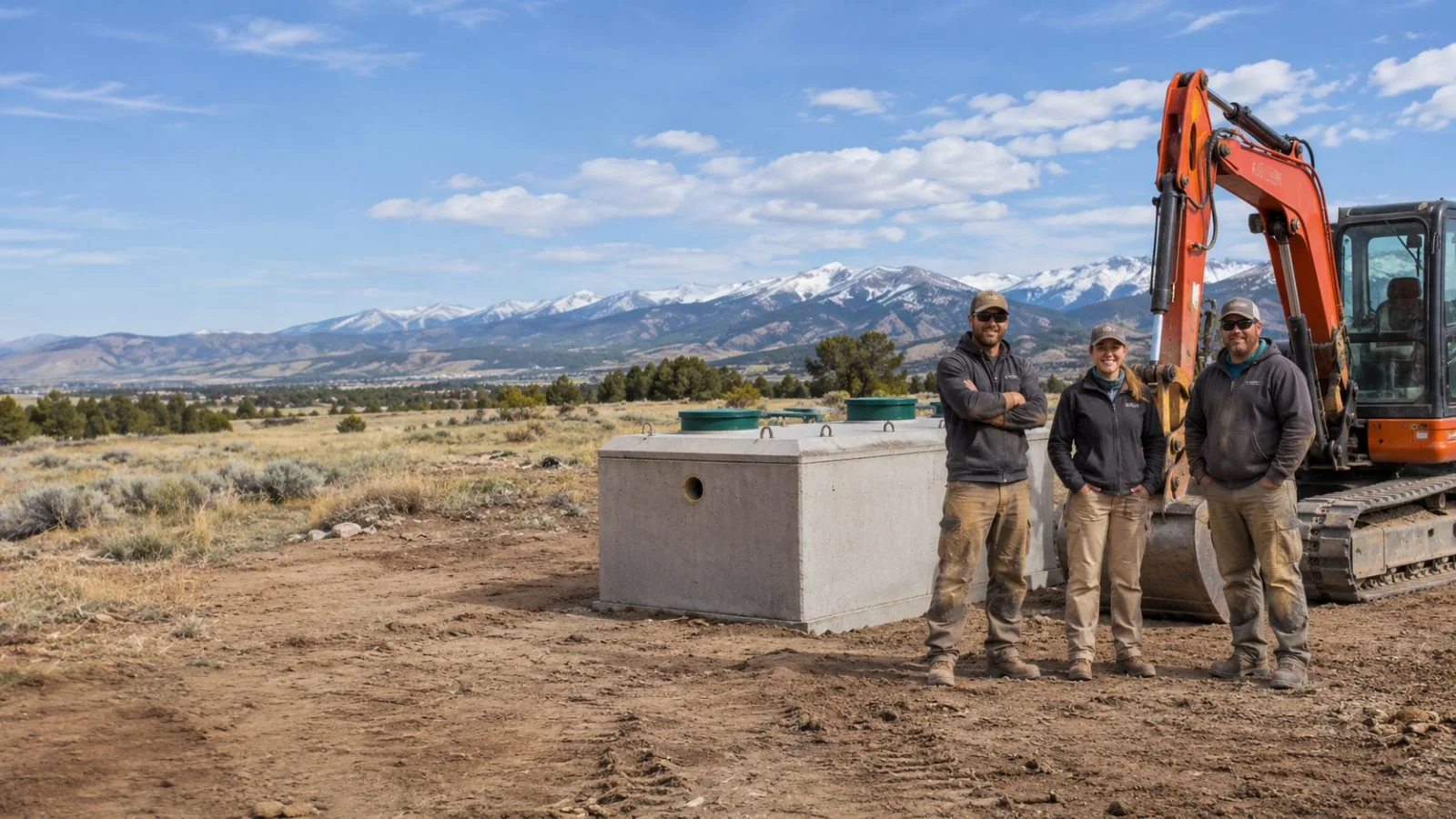
In the Chalk Creek drainage, access and terrain deserve as much early attention as the equipment going underground. A workable construction plan must account for delivery routes, excavation conditions, protected site features, and the approved wastewater design.
We focus on helping owners understand these dependencies before committing to a construction approach. If your property is near Mount Princeton, along County Road 162, or in the rural Nathrop area, share the location and the type of septic work you need.
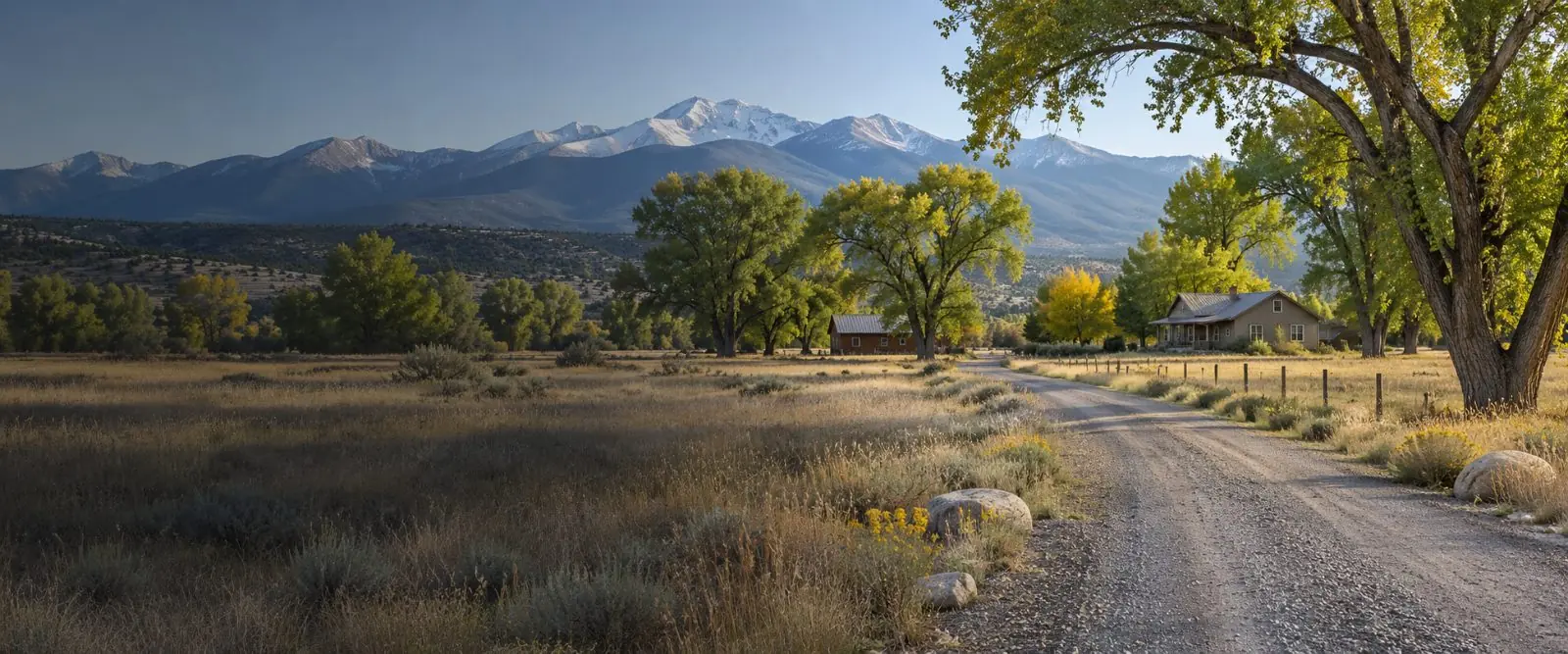
Slope, access, rock, and drainage conditions play an important role in evaluating rural septic projects.
We emphasize planning around wells, creeks, seasonal drainage, and applicable separation requirements.
Mountain roads and limited work areas need to be considered before excavation begins.
The soil evaluation and current requirements should determine the wastewater treatment approach.
Planning septic work on a Nathrop-area property? Describe your location, site access, and what you hope to build or replace.
Free — no obligations